What is it?
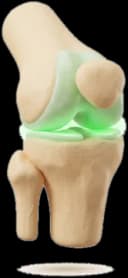
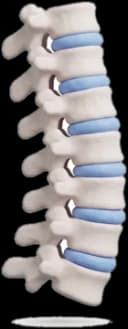
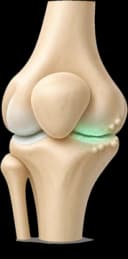
Arthrosis (osteoarthritis) is the most common chronic degenerative joint disease characterized by the gradual thinning, fraying, and destruction of protective articular cartilage. When cartilage wears away, the exposed bone ends begin to rub directly against each other. This friction reduces synovial fluid quality, triggers localized inflammation, causes stiffness, and prompts the growth of bone spurs (osteophytes) that deform the joint.
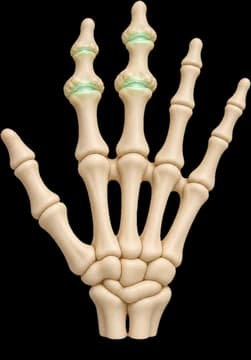
It most frequently affects weight-bearing joints, such as the knees (gonarthrosis) and hips (coxarthrosis), as well as the feet and finger joints. While arthrosis is a chronic condition that cannot be completely reversed, maintaining a healthy weight, engaging in joint-friendly movement, and initiating early structural support can significantly slow joint degeneration and help postpone invasive joint replacement surgery.
Main symptoms
- Mechanical Pain: Pain that worsens during movement and toward the end of the day, potentially intensifying even at rest.
- Weakness of Surrounding Muscles: As the condition advances, periarticular muscles lose strength, making walking, stair climbing, and routine daily activities increasingly difficult.
- Joint Crepitus (Cracking): Audible clicking, cracking, or grating sounds arising from the joint during motion.
- Reduced Mobility: Difficulty in achieving full flexion and extension of the joint, alongside growing strain when climbing or descending stairs.
- Swelling and Sensitivity: Periarticular swelling and heightened discomfort triggered by weather shifts or physical exertion.
- Joint Deformity: Structural remodeling of the joint in advanced stages, marked by the emergence of marginal bone spurs (osteophytes) and visible misalignment.
Causes and risk factors
- Age Factor: After ages 40–45, the natural metabolic regenerative capability of cartilage tissue significantly declines.
- Excess Body Weight: Every additional kilogram multiplies mechanical pressure across the knees and hips during daily walking.
- Trauma and Joint Injuries: Previous meniscus tears, ligament sprains, dislocations, fractures, or past joint surgeries.
- Repetitive Occupational Strain: Heavy physical labor, prolonged squatting, kneeling, or repetitive high-impact stress.
- Sedentary Lifestyle: Physical inactivity hinders synovial fluid circulation, depriving cartilage of oxygen and vital nutrients.
- Hormonal Shifts & Genetics: Hereditary predisposition and declining estrogen levels in women during menopause accelerate cartilage loss.
Prevention and self-care
Maintain a Healthy Weight
Losing even 5–10% of excess body weight dramatically relieves daily mechanical strain on load-bearing joints.
Engage in Low-Impact Movement
Walking on level terrain, swimming, and stationary cycling stimulate cartilage nutrition through active synovial fluid flow.
Strengthen Surrounding Muscles
Well-developed quadriceps and calf muscles absorb shock waves that would otherwise impact the joint directly.
Avoid Overloading Joints
Avoid sudden heavy lifting, deep kneeling, or prolonged squatting; choose cushioned, ergonomic footwear.
Optimize Nutrition
Prioritize foods rich in omega-3 fatty acids, dietary collagen, and antioxidant-rich vegetables; minimize refined sugar, fried foods, and excess salt.
Start Early Joint Support
Incorporate quality chondroprotective nutrition at the very first signs of minor stiffness and creaking.
Nutva
Nutva products to support your body
As a complement to a healthy lifestyle. These products are not medicines.
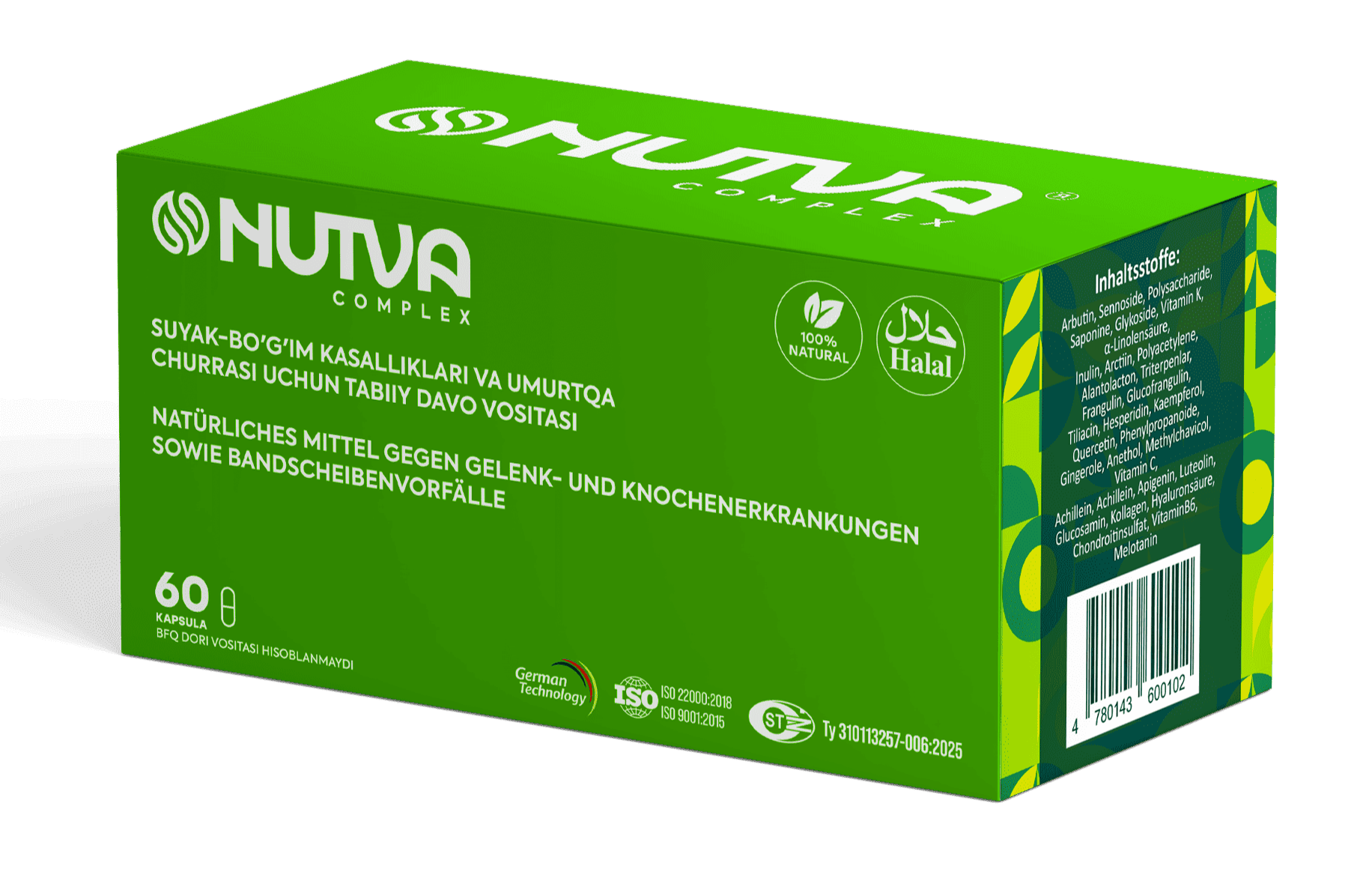
Nutva Complex (German Technology)
Formulated with glucosamine, chondroitin, collagen, and hyaluronic acid — the structural building blocks of cartilage and joint fluid. Boswellia, ginger, and flaxseed extracts support natural anti-inflammatory pathways. A 3–6 month course is recommended.
1 280 000 760 000 UZS · per box · when buying 3
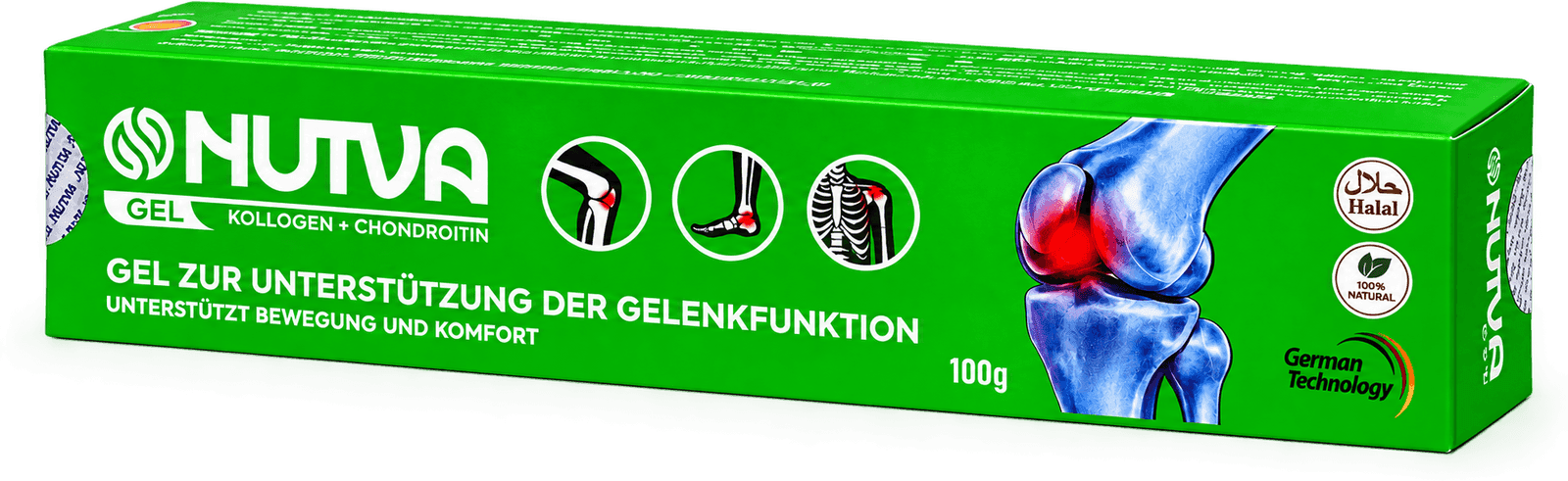

Nutva Omega-3
High-grade omega-3 fatty acids maintain healthy inflammatory balance throughout the body and provide comprehensive systemic support for joint mobility.
640 000 380 000 UZS · per box · when buying 3